
Privacy—Inner and Outer
A complicated concept operating in our conscious and unconscious lives. Thoughts on how it seems to work with a final suggestion.

“All human beings have three lives: public, private, and secret.”
― Gabriel García Márquez,
When a dictionary/thesaurus has over 50 words defining and explaining “privacy”, it is evident that we care a lot about it and we think in the nuances of privacy matter.
Your face, prior to inviting a knife to improve it, is structurally beyond your control. You have to work with what God gave you, but do you think that your face accurately represents the you, you know yourself to be?
The person the world sees when you appear among us is not the same person you talk to in your head—”they” may not even seem related. You can be as socially “transparent” as you are capable of being, but others will never see all of you. Why not?
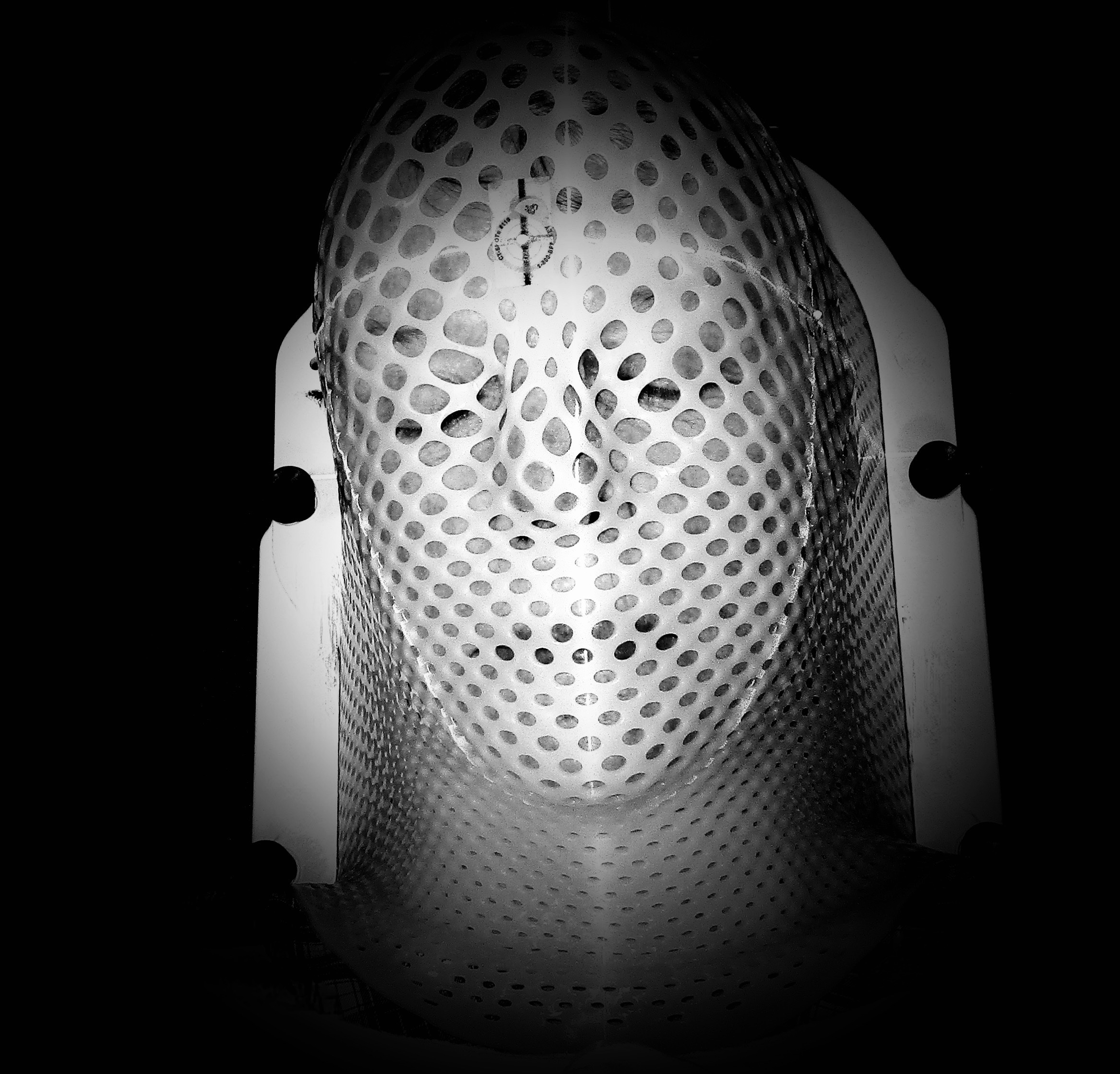
A lot of that obfuscation is by God and nature’s design. But some of the disconnection is up to you. How much acting and censoring or filtering do I consciously employ? My choice—at least some of the time. Of course, when I burst into tears or uncontrollable laughter and wet myself, it probably was beyond my control. 😁
Your brain compartmentalizes a lot of its work to specialized parts of your neural nexus for their specialized functions. There is no single, all inclusive, interconnected database of your memories and thoughts available for your access.
A lot of brain activity is farmed out to be processed which might involve condensing it, sharing it, storing it with other neurons or deleting it. Some parts of the brain don’t share with other parts, some share selectively and conditionally. The triaging pathways get infinitely complicated very quickly. It isn’t surprising that you do not have unlimited access to your past life as you thought you remembered it.
When you are talking to yourself in your head, you are dealing with your brain’s “Reception Desk.” It may or may not be willing to connect you to other departments. Your subconscious, dream states and the name you just forgot are obvious examples of reservoirs of thought and experience that are not reliably on instant playback.
Our inner selves—the ones that nobody else will ever really understand or know in full, run in layers of selective privacy. Privacy is about things we like to think we own exclusively and that others will need our permission to gain access to these vaults. Private feelings are a murky realm of the mind because there are bits in there that we may hide from ourselves as well as from others.
Privacy is both a concept and a reality—it depends on who has custody of the private material and who wants it. Your private information in the hands of someone else who now shares custody means your privacy has been breached.
That means that your privacy is owned by more than you. You can never totally get it back because once you tell a secret and it isn’t exclusively yours anymore—and you can never be absolutely sure that your confidant didn’t also share it. But, with trust in the person you have shared with, some secrets may feel safe and perhaps easier to live with. You see, privacy can get complicated.
We used to be able to shelter our most personal thoughts and information by just being circumspect. People and businesses you trusted kept your secrets and confidences. That is no longer a safe assumption—it’s actually naive to expect it. Privacy is too often for sale.
Our privacy is now of interest to the prying eyes of the morally unbounded. The public has become an intrusive, nosy, intruder into our lives and it wants to know and use you for its own advantage without your permission.
What was easily kept private 25 years ago can now be found by almost anyone who wants to find out your address, phone number, age, marital status, educational background, criminal record, net worth, browsing interests, political leanings, medical/mental history, etc.. Personal photos cannot only be seen by the world, they can be manipulated for blackmailing you or to humiliate.
Is the only secure defense living as a recluse? I hope not, but if you come to that decision as an adult, you will find it daunting to try to scrub all the data about you that is already out there— having been collected since your birth.
What about us do we really want to keep the world from seeing, and what do we do to protect it? Would you really want anyone to know you as you, inside your head, knows you—past deeds, censored thoughts you wouldn’t ever speak, your moral ambiguity? How much of what you think about would you ever want to share—ever?
And aren’t there things you would just as soon forget? We exert a lot of conscious and unconscious effort filtering what we say and do. Actually, we omit a lot, exaggerate, and invent a bit of what we show by word and deed to others. So the real you isn’t exactly who your dearest friends and family think of as being you.
Deep inside each of us there is an inner self that only you will ever have been acquainted with. The “you” that psychologists tell us we will never know completely. This is the most private layer of you—the “you” that decides what you will tell the shrink. The one that has had many brilliant insights and ideas that somehow never were shared, heard or acted upon.
Even when we want to share a secret or memory, the retrieval and telling of that memory results in being subtly, unconsciously altered. Every memory you give thought or voice to differs from the memory as it was before you recalled it. It is a neural phenomenon you can’t control.
A healthy mind requires you to be of able to compartmentalize some of the unresolved fragments of being you so they don’t stay in the foreground all the time. They can’t be erased, but you have to keep some pernicious thoughts restrained and grounded. True, they may escape into consciousness, but you can’t let them run the show or take charge. You need to be aware that you must function as a wise executive and at times an authoritarian.
That very private inner you is someone you have to make peace with if you want to stay sane. That doesn’t mean you approve of all aspects of yourself or that you aren’t conflicted on important issues or that you don’t have regrets and shames you cannot share. Sanity requires you to acknowledge that the dark closets of your mind exist and reflect your faults, failures and imperfection.
Perhaps our judgment of others should lighten up—living in glass houses, etc. That person you ghosted, doxed and cut out of our life has invisible complexities, just as you do. Others don’t really know you for who you really are and you certainly don’t really know anybody else.
When we are being introspective we are pretty lenient with ourselves. Consider giving that person you used to esteem the same slack you generously bestow on yourself. Judge others with the forgiveness and acceptance you have given yourself. It’s a small ask that could change your life and, if enough of us do this, could change the world.
Interesting read! All the closet spaces in the recesses of our minds combine to create an interesting concoction of who we are and will never get to know fully.
yes!
Thank you for this.